
A Peek Into My Design Process: From Sketch to Pattern
One of my favorite parts of any sewing project is the design process. Before fabric is chosen or patterns are drafted, this is the stage where ideas are loose, playful, and full of possibility. It’s where I get to imagine freely, explore different ideas, and let myself dream big. The design phase sets the tone for everything that follows. It’s the beginning of a garment’s story.
Step One: Deciding What to Make
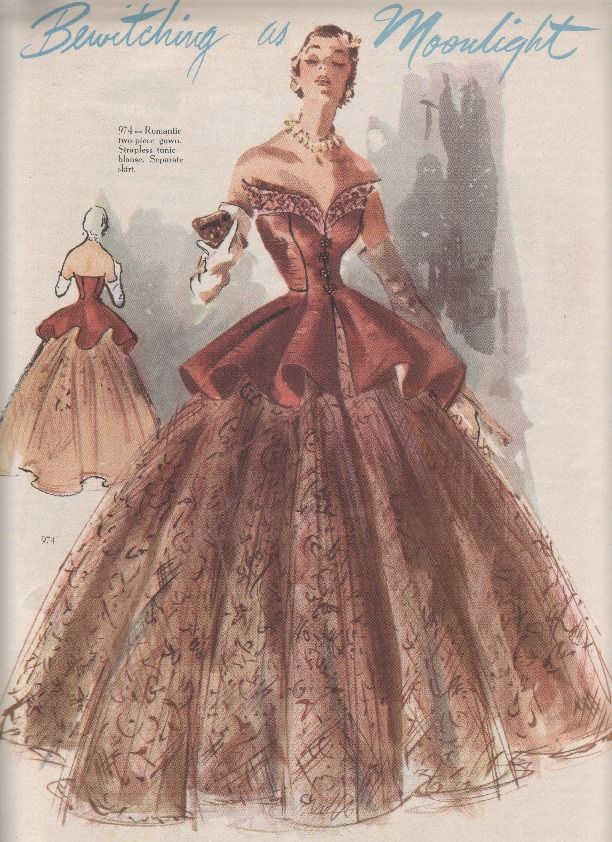
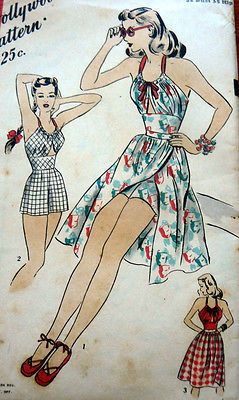
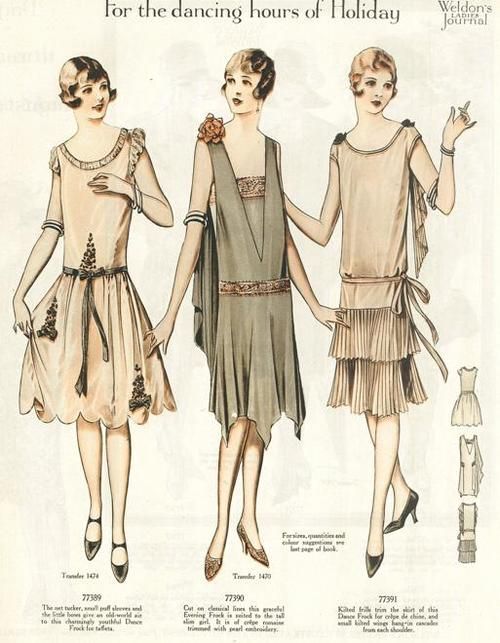
Every project starts with a question: What do I want to create? Sometimes the answer is practical — a blouse I need for everyday wear, a skirt that fills a gap in my wardrobe. Other times, it’s much larger, like planning an entire Renaissance Faire costume or recreating a historical silhouette I’ve been fascinated by for years.
This stage is more important than it seems. Choosing the project defines the scope, the mood, and the level of complexity. A single garment has a very different rhythm than a full historical ensemble.
I spend time here thinking about how the piece will be worn, what purpose it serves, and what story it tells. Every well-made garment has a narrative — a feeling, a moment, a reason to exist.
Once I know what I’m making, the rest of the process begins to fall into place. This decision becomes a kind of anchor, guiding every choice that comes next.
Step Two: Gathering Inspiration
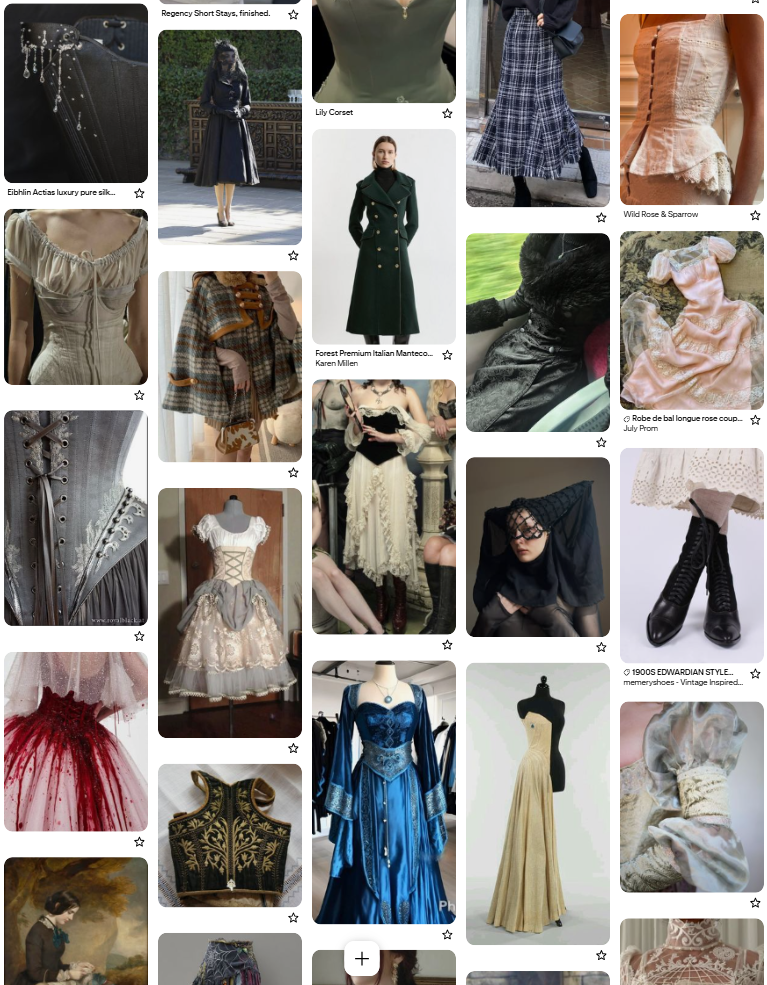
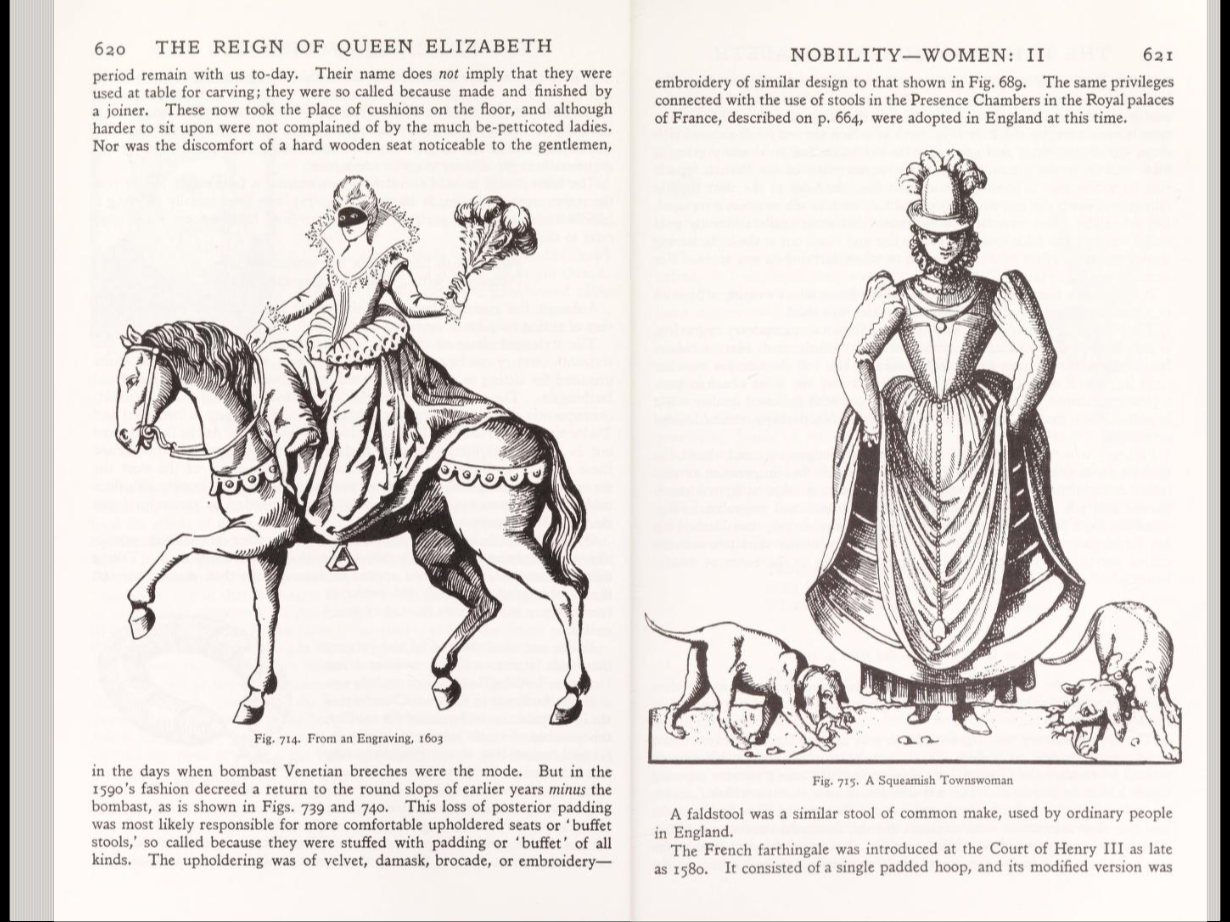
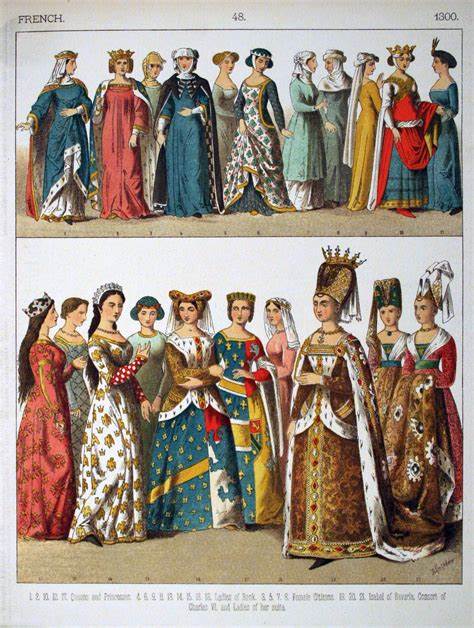
Inspiration is everywhere, and I’m constantly looking for it. A color palette from a painting, a texture from a vintage garment, a silhouette from a museum piece, or even a detail I saw once and never forgot. All of it becomes part of the creative process. Pinterest is usually my first stop because it’s easy to collect a wide range of references quickly, but I also pull from books, films, historical texts, and my own archive of saved images.
When I gather inspiration, I’m not just looking for pretty things. I’m studying:
- fabric types and textures
- color combinations and emotional tone
- silhouettes and proportions
- details like closures, embroidery, trim, or seaming
- historical accuracy if the project is period‑inspired
This stage is about exploration. I’m trying to understand what I’m drawn to and why. Sometimes I’ll pin twenty images just to realize I’m obsessed with one sleeve shape. Other times I’ll discover a color I didn’t expect to love. Inspiration gathering helps me refine my taste and identify the elements that will eventually shape the final design.
Historical Research
Because many of my projects are influenced by historical garments, research becomes an essential part of the process. I study period clothing to understand silhouettes, construction methods, and fabric requirements. Historical garments weren’t just designed — they were engineered, and learning how they were made helps me recreate them more faithfully.
Research also helps me avoid modern assumptions. A gown from 1780 behaves differently than a dress from 1930, and both require different foundations, fabrics, and techniques. Understanding the history behind a garment gives me a clearer sense of how to achieve the look I want later on.
Step Three: Sketching and Iteration
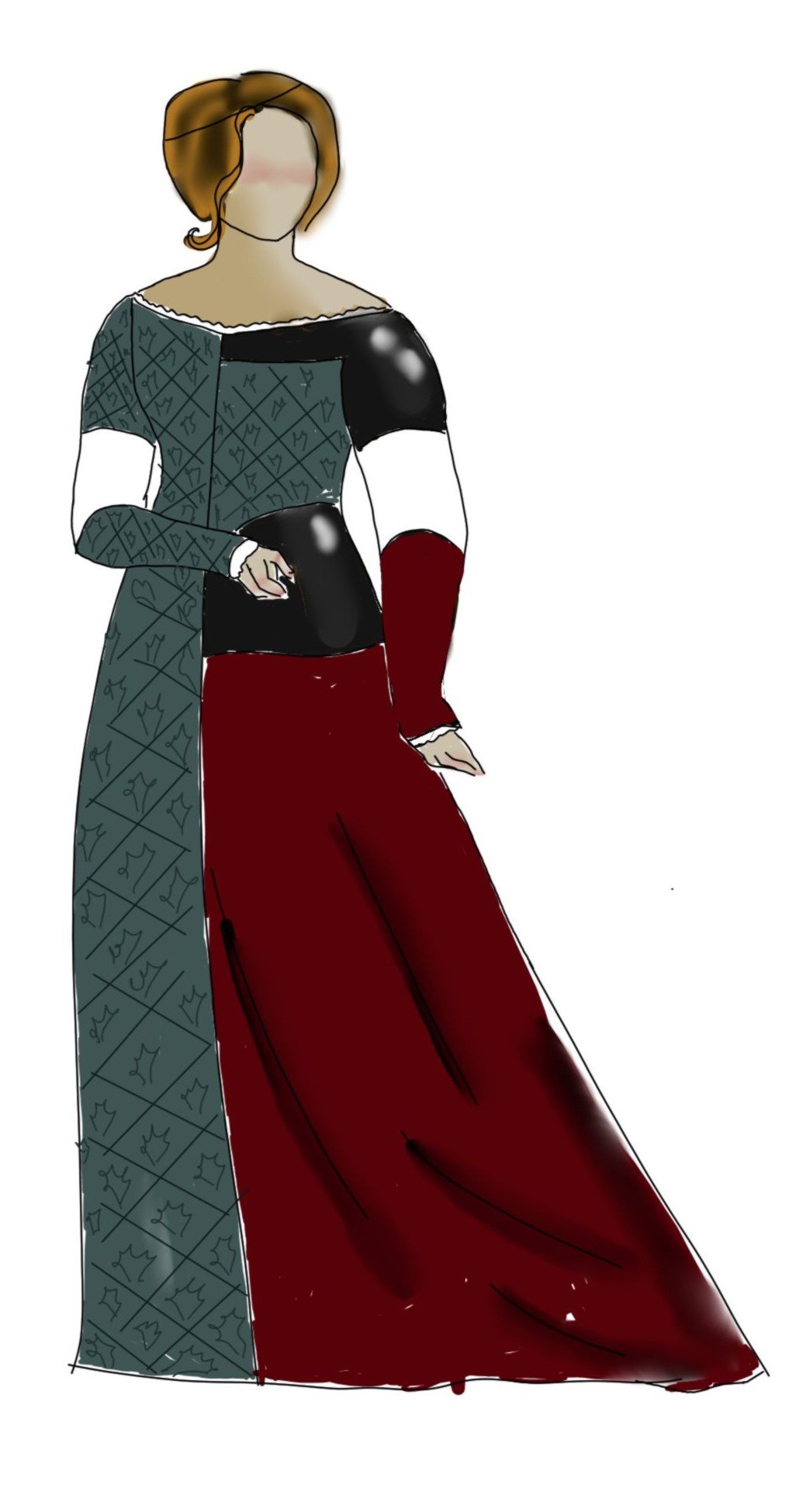
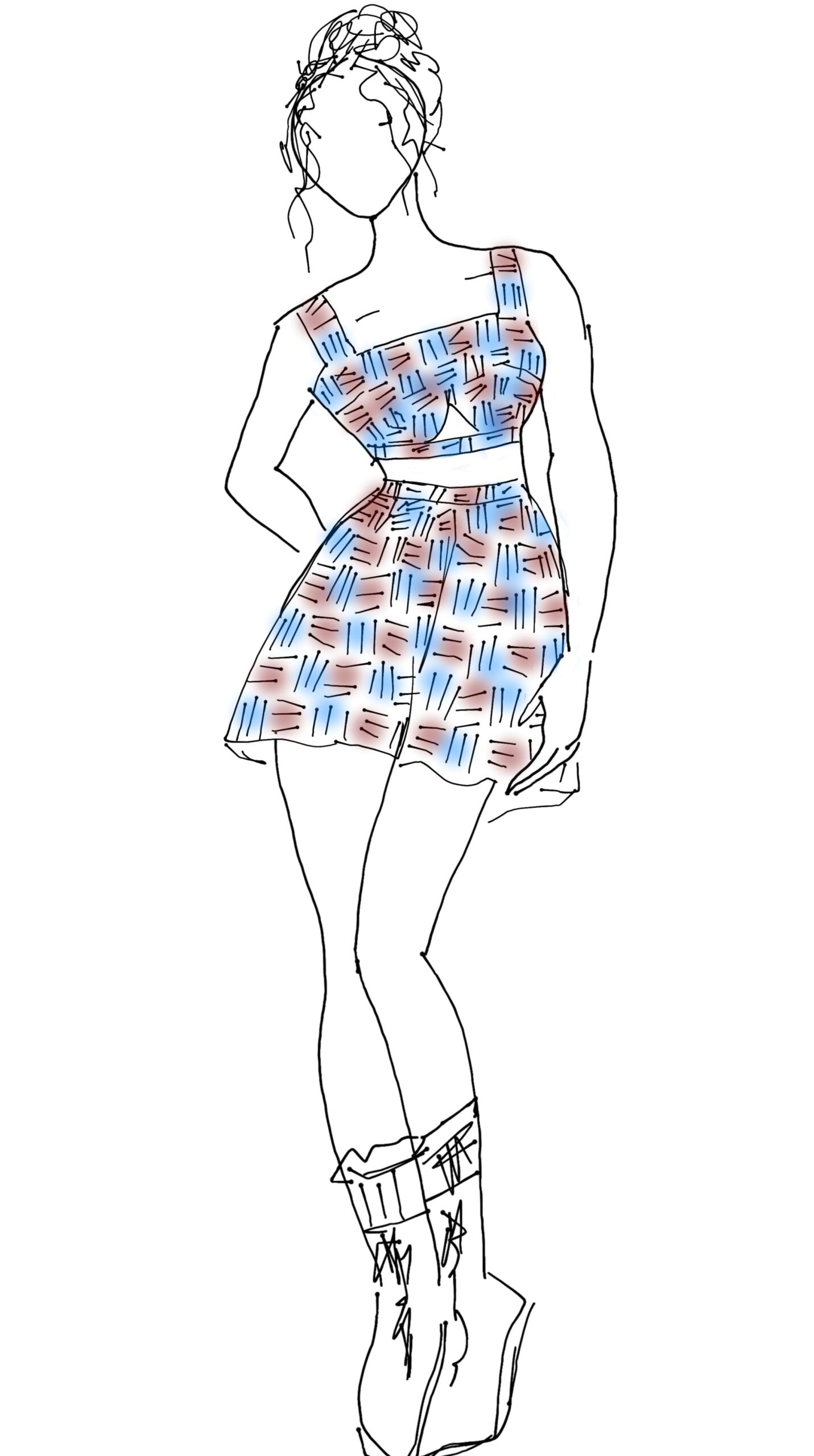
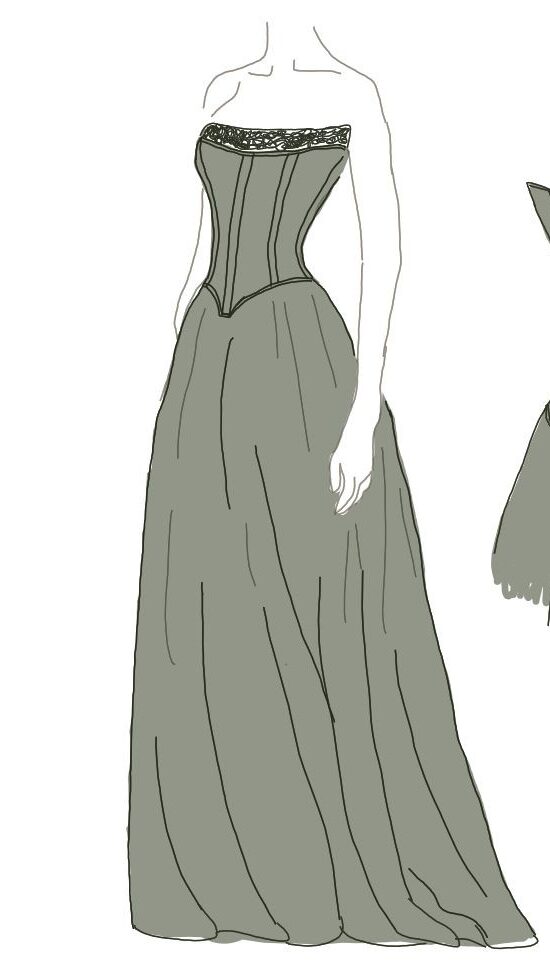
Once I have a direction, I start sketching — and this is where the design truly begins to take shape. Sketching is a conversation between imagination and practicality. I draw the first idea, then redraw it with a different sleeve, then redraw it again with a different neckline. Each iteration teaches me something new.
Most designs take multiple rounds of refinement. I play with proportions, adjust details, test different color options, and explore
how various elements interact. Sometimes a design changes completely halfway through; other times it stays almost identical to the first sketch. The important part is giving myself space to explore.
Sketching also helps me visualize how the garment will move, how it might feel, and how it will fit into the larger project. It’s a slow, thoughtful stage of the design process — one that encourages experimentation and curiosity.
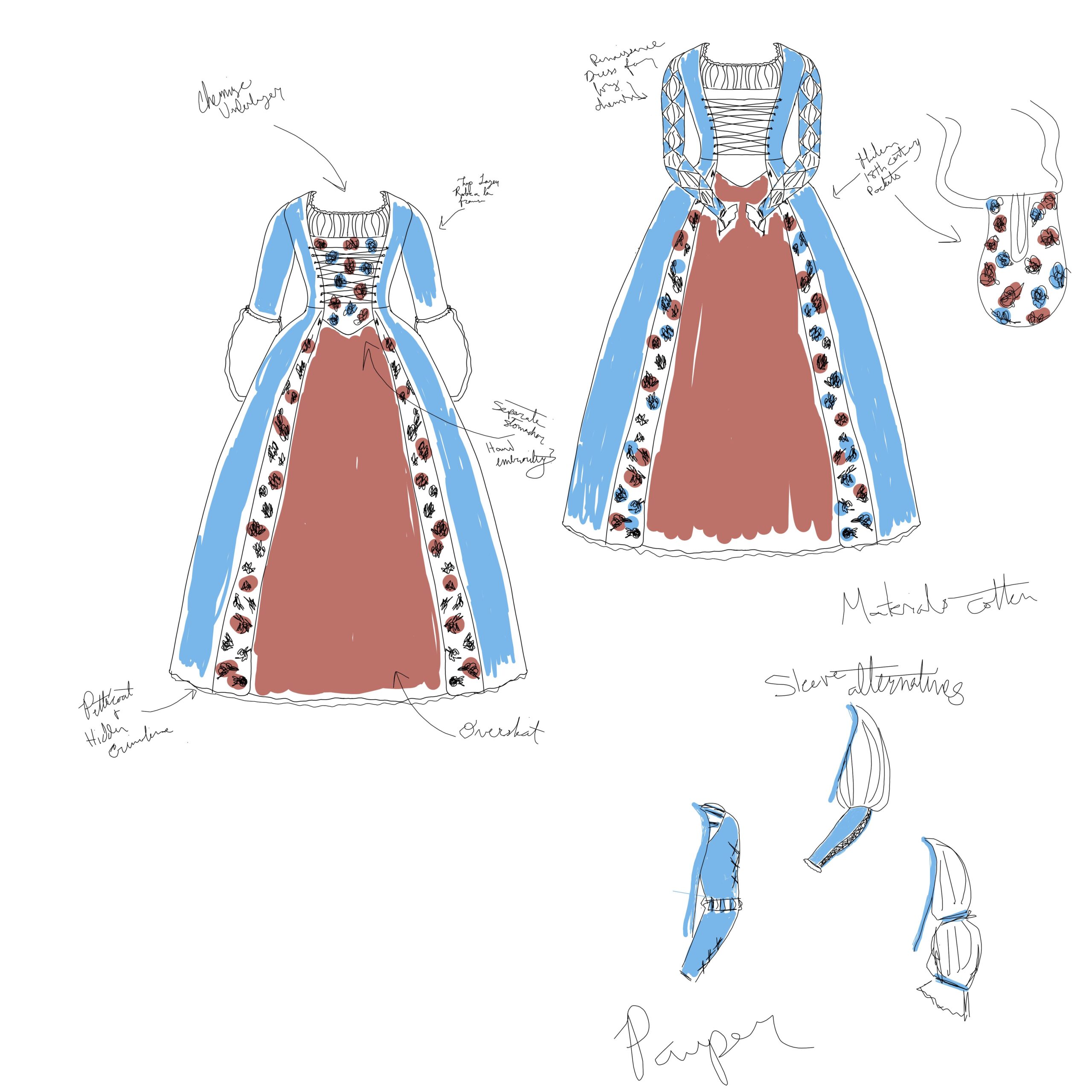
Step Four: Planning the Project
With a few solid sketches in hand, I shift into planning mode. This is where creativity meets logistics.
- Listing the garment pieces
A single blouse might only need one pattern, while a Victorian gown requires an entire foundation: chemise, corset, petticoats, overskirt, bodice, and more. Listing the pieces helps me understand the full scope of the project and prevents surprises later on.
- Listing the materials
This includes:
- fabric choices and yardage
- closures (buttons, zippers, hooks, etc.)
- trims or embellishments
- interfacing or structural materials
- any specialty items the design calls for
Planning materials early helps me stay organized and ensures I’m prepared once I begin drafting or sewing. It also helps me estimate cost, time, and complexity. All important factors when deciding how to approach the project.
- Considering construction
Even before drafting, I start thinking about how the garment will be built. Will the seams need reinforcement? Will the fabric require lining? Are there techniques I need to brush up on? This mental preparation helps me avoid frustration later and gives me a clearer sense of the garment’s engineering.
Step Five: Pattern Drafting
The design process naturally leads into pattern drafting — the stage where the sketch becomes something you can actually sew. Drafting is technical, mathematical, and incredibly satisfying. It’s where the garment shifts from imagination to structure.
Once I know what I’m making, drafting helps me figure out how I’m going to make it. I translate the sketch into shapes, measurements, and lines. I consider ease, movement, proportion, and fit. Drafting is slow work, but it’s foundational — it’s the blueprint that makes the final garment possible.
This stage marks the transition from design to construction. The project begins to feel real, tangible, and ready to take form.

the Artisans Path
A design process is never universal — it’s shaped by the maker who uses it.
Closing Thoughts
Every maker approaches design in their own way, shaped by their habits, their interests, and the kind of work that feels natural in their hands. Some people begin by draping fabric on a dress form, others start with color palettes, and some jump straight into drafting before any sketches are made. There isn’t a single correct method — just the rhythm that makes sense to the person creating. Sewing has always allowed room for individuality, and design is often where that individuality shows itself most clearly.
My own process grew from the things I love most about making: the research, the sketching, the quiet gathering of ideas, and the slow refinement of details. I like understanding a garment before I begin, studying its shape and history, and imagining how it will come together. This approach helps me feel grounded and intentional, especially
when I’m working on historical or more complex projects. It’s a simple process, but it’s the one that feels steady and familiar to me — the one that lets the garment take shape in my mind before it ever reaches the drafting table.
Designing a garment is part imagination, part research, part engineering. It’s where creativity and craft meet, and where the first spark of an idea becomes something you can hold in your hands. Every sketch, every reference photo, every tiny detail contributes to the final garment.
By the time I reach the drafting table, I’m already deeply connected to the project ahead. The design process doesn’t just shape the garment — it shapes the experience of making it.
0 Comments